Source Cylinder Glass Essential Oil Bottle for Perfume and Medical Use
Find 30 cylinder glass essential oil bottle options from China Mainland suppliers. Compare capacities from 5ml to 300ml, materials including glass and plastic, and certifications like FDA and ISO. Evaluate customization, packaging, and lead times for your sourcing needs; compare the available evidence and request quotations based on your requirements.
Key considerations
Products List




Comprehensive Sourcing Guide
Cylinder Glass Essential Oil Bottle Sourcing Guide
Procuring cylinder glass essential oil bottles requires careful attention to material integrity and sealing performance, as these factors directly impact product shelf life and consumer safety. The observed market data indicates a diverse range of options, from standard amber glass to specialized clear variants with UV protection, catering to different storage needs for volatile organic compounds. Buyers must distinguish between general cosmetic containers and those specifically engineered for essential oils, ensuring the selected glass type offers the necessary chemical resistance and light filtration properties.
Commercial listings reveal significant variation in capacity, with observed standards spanning from 5ml to 300ml, necessitating precise specification matching for your specific formulation. While some suppliers offer automatic inspection systems to guarantee quality, others rely on manual checks, which can introduce variability in defect rates. It is critical to verify the exact neck size and closure compatibility, such as aluminum screw caps or lotion pumps, to ensure a leak-proof lock that prevents evaporation and maintains the purity of the essential oil during transit and storage.
Product Scope and Observed Listing Signals
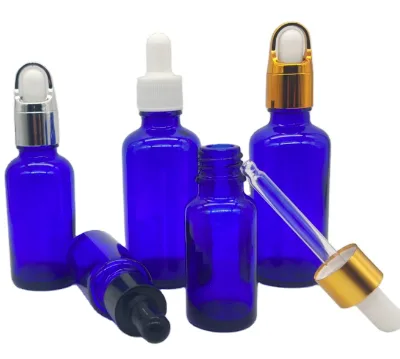
The product scope for cylinder glass essential oil bottles encompasses a wide array of customization options, including color variations like amber, pink, and transparent finishes, as well as specific model numbers such as JYP and JYP10. These listings often highlight features like eco-friendly manufacturing processes and the availability of dropper caps, which are essential for precise dispensing of high-value oils. Buyers should note that while some products are described as having a melt glass composition, others may be categorized under general glass types, requiring verification of the specific glass formulation to ensure durability and thermal stability.
Listing signals also indicate diverse packaging configurations, ranging from individual shrink-wrapped units to bulk carton or pallet shipments, which influences logistics planning and storage requirements. The observed minimum order quantities (MOQ) vary widely, from 140 units to 100,000 units, suggesting that suppliers cater to both small-batch startups and large-scale industrial distributors. Understanding these signals helps buyers align their procurement strategy with their inventory capacity and cash flow, ensuring they select a supplier whose production scale matches their order volume without incurring unnecessary holding costs.
Technical Specifications to Verify
Technical verification must begin with the bottle geometry and capacity, as the observed specifications include cylindrical shapes with capacities ranging from 5ml to 50ml and up to 300ml. Buyers should confirm the neck size, with 18mm DIN being a noted standard, to ensure compatibility with existing filling lines and closure mechanisms. The presence of specific features like UV protection in clear glass or the inclusion of droppers is critical for preserving the chemical integrity of light-sensitive essential oils, and these attributes must be explicitly confirmed in the product datasheet before finalizing an order.
Material grade and sealing mechanisms are equally vital, with some listings specifying food-grade materials and leak-proof locks to prevent contamination and spillage. The observed data suggests that while many bottles are made from glass, some alternatives may be plastic, requiring a clear distinction based on the intended application and regulatory requirements. Buyers must verify the sealing type, such as aluminum screw caps or atomizers, and ensure that the bottle design supports the specific viscosity and volatility of the essential oil being packaged to avoid leakage or degradation over time.
Compliance and Safety Documentation
Compliance documentation is a non-negotiable aspect of sourcing glass bottles for essential oils, particularly when the products are intended for personal care or medical applications. The observed certifications include RoHS, REACH, LFGB, FDA, and ISO, which indicate adherence to strict safety and environmental standards. Buyers should request current certificates for each batch to verify that the glass and any associated closures meet the regulatory requirements of their target markets, ensuring that the materials do not leach harmful substances into the oil or pose risks to end-users.
Safety documentation must also address the specific usage scenarios, such as the handling of chemicals or the storage of essential oils, which may require additional testing beyond standard food-grade certifications. The presence of certifications like LFGB and FDA suggests that the materials are safe for contact with consumables, but buyers should confirm that these certifications cover the specific glass composition and any inks or coatings used in the printing process. Without comprehensive safety data, the risk of non-compliance penalties or product recalls increases significantly, making thorough documentation review a critical step in the procurement workflow.
Cost Drivers and Commercial Terms
Cost drivers for cylinder glass essential oil bottles are heavily influenced by the complexity of customization, the volume of the order, and the specific material grade required. The observed price range of $0.02 to $2.8 reflects the diversity in product specifications, from simple plain bottles to those with custom colors, UV protection, or specialized closures. Buyers should analyze the cost per unit against the total order value, considering that higher MOQs often result in lower unit costs but require greater capital commitment and storage capacity.
Commercial terms such as lead times and sample availability also play a significant role in the total cost of ownership. The observed lead time of 15-20 days and the availability of free samples allow buyers to validate product quality before committing to large orders, reducing the risk of costly mistakes. However, buyers must account for potential variations in production capacity, as some suppliers report daily capacities of up to 150,000 pieces, which can impact delivery schedules during peak demand periods. Negotiating clear terms regarding payment, shipping, and quality guarantees is essential to manage these commercial variables effectively.
Supplier Qualification and Quality Control
Supplier qualification should focus on the manufacturer's ability to maintain consistent quality through automated inspection systems and robust quality control protocols. The observed advantage of an automatic inspection system for the whole process suggests a higher level of reliability in detecting defects, which is crucial for maintaining the integrity of essential oil packaging. Buyers should verify the supplier's production history, including their daily capacity and experience with similar products, to ensure they can meet volume requirements without compromising on quality standards.
Quality control measures must extend beyond the final product to include raw material sourcing and in-process checks. The observed certifications and material grades indicate a commitment to safety, but buyers should request detailed quality reports that cover specific tests for leakage, seal integrity, and chemical resistance. Establishing a clear communication channel for quality feedback and defining acceptable defect rates in the contract will help ensure that the supplier remains accountable for delivering products that meet the rigorous standards required for essential oil packaging.
Long-Term Procurement Checks
Long-term procurement checks involve establishing a framework for continuous monitoring of supplier performance and product consistency over time. Buyers should implement regular audits and sample testing to verify that the glass bottles continue to meet the specified technical and compliance requirements, especially as production volumes scale up or as new formulations are introduced. This proactive approach helps identify potential issues early, such as changes in material composition or shifts in manufacturing processes, that could affect the safety and efficacy of the essential oil products.
Building a resilient supply chain also requires diversifying suppliers and maintaining a buffer stock of critical components to mitigate risks associated with lead time fluctuations or production disruptions. The observed variability in MOQs and lead times underscores the importance of having contingency plans in place, ensuring that the procurement process remains stable even when external factors impact the supply chain. By fostering strong relationships with suppliers and maintaining open lines of communication, buyers can secure a reliable source of high-quality cylinder glass essential oil bottles for their long-term business needs.
FAQs
What sizes are available for cylinder glass essential oil bottles?
Available capacities commonly range from 5ml to 100ml, with some product lines covering 10ml to 300ml. Smaller sizes suit single-use essential oil sampling, while larger formats fit blended oils and serums. Confirm the exact size, neck finish such as 18mm DIN, and dropper availability with the supplier before ordering, since specifications vary by product model.
Which cap closures work with these essential oil bottles?
Common closures include aluminum screw caps, lotion pumps, and atomizers, and dropper-style bottles use a screw dropper cap with a dropper included. The sealing type on dropper models is a leak-proof lock, which helps prevent oil leakage during transit. Choose the closure based on dispensing needs, and confirm compatibility with your selected bottle neck size.
Can the bottles be customized in color and packaging?
Yes, customization is supported, and colors such as amber and pink are offered alongside transparent and color options. Amber glass provides UV protection for light-sensitive essential oils. Packaging options include bags, cartons, shrink-wrapped cartons or pallets, and box packing. Discuss printing or plain finishes and confirm customized colour requirements before placing a production order.
How are the bottles packed for shipping?
Packing options include bags or cartons, shrink-wrapped and carton or pallet configurations, and box packing depending on the product model. Carton packaging with shrink wrap offers extra protection for glass during long-distance shipping. Request the packing method that matches your freight mode and confirm carton quantities and weight limits with the supplier before confirming the order.
What certifications apply to these glass bottles?
Listed certifications include RoHS, REACH, LFGB, FDA, and ISO, and some products are noted as food grade. Certification coverage can differ between models, so request documentation for the specific bottle you intend to purchase. Food grade material matters if bottles will contact consumables, while general cosmetic or chemical use may have different requirements.
What is the typical MOQ and lead time for orders?
Observed MOQs range from 140 pieces up to 100,000 pieces, and one plastic-capacity line lists an MOQ of 30,000 pieces with a lead time of 15 to 20 days. MOQ and lead time vary by model, customization level, and capacity. Confirm both figures with the supplier for your chosen specification, and ask whether free samples are available before committing.
What quality control features support consistent production?
Production uses an automatic inspection system covering the whole process, which helps detect defects in glass bottles before shipment. Melt glass construction with a cylindrical shape suits essential oil, perfume, cosmetic, personal care, and chemical applications. Ask suppliers to describe their inspection steps and defect-rate expectations, and consider requesting samples to verify quality before mass production.
Where are these bottles manufactured and what is daily capacity?
The bottles originate from China and China Mainland. One listed production line reports a daily capacity of 150,000 pieces, which indicates the scale typical of established manufacturers in this category. Higher daily capacity can shorten lead times for large orders, so compare capacity figures across suppliers when your order volume is substantial or time-sensitive.